How we helped an Indian recycling and minerals company connect with specialist expertise for a new magnet-production opportunity
India · Recycling & minerals · Technology partnership
The Challenge
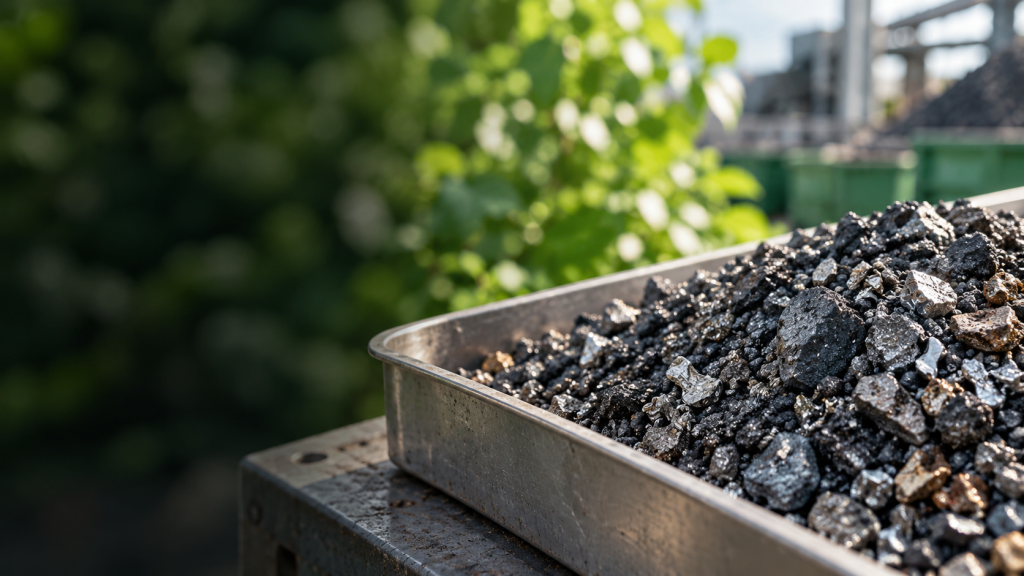
An Indian company working in recycling and sustainable mineral production wanted to explore a new use for its existing recycling scrap: a production line capable of manufacturing magnets. The opportunity connected its current materials business with a new manufacturing ambition.
The company was looking for technology and expertise available in Japan and China, with the ambition of becoming an early mover in India. Its immediate requirement was to identify a minerals expert and facilitate a partnership that could help advance the proposed production line.
This required more than an introduction. The company needed support in communicating its requirements, discussing the commercial terms, and coordinating with an overseas expert and vendors.
Our Approach
We drew on our network to identify a potential partner and facilitated a meeting between the Indian company and the expert. This gave both sides an opportunity to discuss the company’s needs and the proposed collaboration.
Our team then supported the negotiations, pricing discussions, and translations. By helping the parties communicate across languages, we supported the conversations needed to move the partnership towards an agreement.
We also facilitated contract signing with the expert. The support extended from identifying a potential counterpart to coordinating the practical steps required to formalise the collaboration.
Turning Research into a Decision
The company’s starting point was a technical ambition and a need for specialist knowledge. The partner introduction, commercial discussions, and contract coordination gave it a practical route to engage that expertise.
Our role continued beyond the initial agreement. We supported the company through visits to Japanese vendors and ongoing coordination with them, helping maintain communication as the work progressed.
The Outcome
A potential expert partner was identified, a meeting was facilitated, and the company received support through negotiations and contract signing. Ongoing vendor coordination remained part of the engagement.
The case illustrates how a technology-partnership search combines specialist connections with sustained support across languages, commercial discussions and vendor coordination.
Exploring a Technology Partnership in Japan?
If your business is seeking specialist expertise or an overseas technology partner, we can help identify relevant connections and coordinate the conversations and next steps around your requirements.
 How we helped a Japanese Kampo-products supplier explore consumer preferences and the Indian throat-lozenge market