Category: Case Study

  • Enabling Sustainable Innovation Through a Japan–India Technology Partnership

    How we helped an Indian recycling and minerals company connect with specialist expertise for a new magnet-production opportunity

    India · Recycling & minerals · Technology partnership

    The Challenge

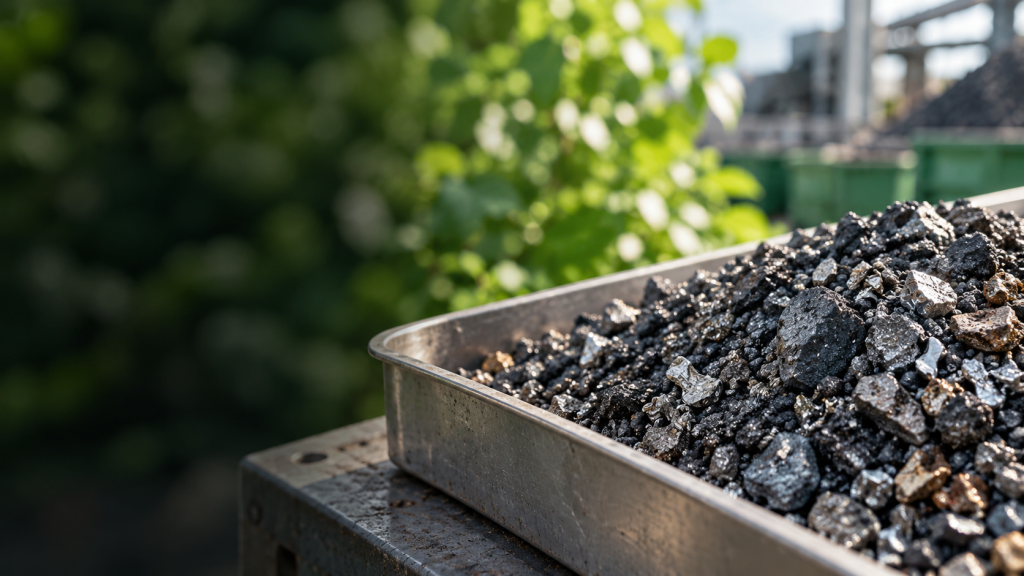
    An Indian company working in recycling and sustainable mineral production wanted to explore a new use for its existing recycling scrap: a production line capable of manufacturing magnets. The opportunity connected its current materials business with a new manufacturing ambition.

    The company was looking for technology and expertise available in Japan and China, with the ambition of becoming an early mover in India. Its immediate requirement was to identify a minerals expert and facilitate a partnership that could help advance the proposed production line.

    This required more than an introduction. The company needed support in communicating its requirements, discussing the commercial terms, and coordinating with an overseas expert and vendors.

    Our Approach

    We drew on our network to identify a potential partner and facilitated a meeting between the Indian company and the expert. This gave both sides an opportunity to discuss the company’s needs and the proposed collaboration.

    Our team then supported the negotiations, pricing discussions, and translations. By helping the parties communicate across languages, we supported the conversations needed to move the partnership towards an agreement.

    We also facilitated contract signing with the expert. The support extended from identifying a potential counterpart to coordinating the practical steps required to formalise the collaboration.

    Turning Research into a Decision

    The company’s starting point was a technical ambition and a need for specialist knowledge. The partner introduction, commercial discussions, and contract coordination gave it a practical route to engage that expertise.

    Our role continued beyond the initial agreement. We supported the company through visits to Japanese vendors and ongoing coordination with them, helping maintain communication as the work progressed.

    The Outcome

    A potential expert partner was identified, a meeting was facilitated, and the company received support through negotiations and contract signing. Ongoing vendor coordination remained part of the engagement.

    The case illustrates how a technology-partnership search combines specialist connections with sustained support across languages, commercial discussions and vendor coordination.

    Exploring a Technology Partnership in Japan?

    If your business is seeking specialist expertise or an overseas technology partner, we can help identify relevant connections and coordinate the conversations and next steps around your requirements.

  • Understanding Indian Consumers Before a Throat-Lozenge Market Entry

    How we helped a Japanese Kampo-products supplier explore consumer preferences and the Indian throat-lozenge market
    Japan–India · Kampo products · Market research


    The Challenge

    A leading seller and supplier of Kampo, or traditional Japanese medicine, products wanted to enter India with its throat lozenges. India was a new market for the company, and it wanted to understand the consumer context before deciding how to approach it.

    The company needed insight into consumer preferences and behaviour, as well as the existing market landscape. Questions about when people use lozenges, how they buy them, and which flavours they prefer were relevant to evaluating the opportunity.

    The requirement was to hear directly from consumers and place their reactions to the Japanese products alongside familiar Indian alternatives.

    Our Approach

    We conducted a focus group discussion with 10–12 participants. Participants tasted the products and provided feedback, giving the client direct reactions to the lozenges rather than relying only on general market observations.

    During this discussion, participants mentioned similar Indian products. We collected samples of those products to add context to the discussion and help the client understand the alternatives consumers already recognised.

    We also conducted an online survey with a larger set of participants and analysed the first 50 responses. The survey covered lozenge-use habits, purchasing habits, preferred flavours, and first impressions of the products.

    Turning Research into a Decision

    The focus group and survey offered complementary perspectives: detailed product feedback from a small discussion group and responses to a consistent set of questions from a broader online exercise.

    We compiled the findings and recommendations in a report and presented it to the client. This brought the consumer feedback, sample products, and survey findings together in a format the company could use to consider its next steps in India.

    The Outcome

    The client received a research report and presentation covering consumer habits, preferences, and reactions to its products, with recommendations grounded in the work conducted.

    The engagement brought together product testing, consumer discussion, and an online survey to provide an informed starting point for the company’s market-entry planning.

    Preparing to Introduce a Product in India?

    We can help you explore consumer expectations, understand relevant alternatives and gather product feedback before shaping your market-entry plans.

  • Finding the Right Manufacturing Partner in India

    How we helped a Japan-based machinery manufacturer explore local production opportunities and identify a suitable manufacturing partner in India

    Japan–India · Machinery manufacturing · Partner identification


    The Challenge

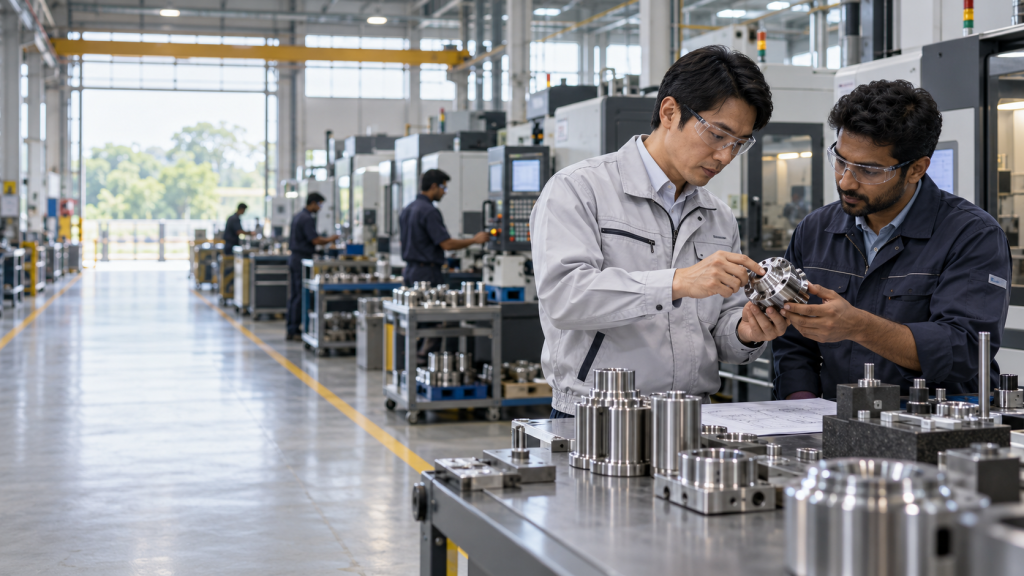
    A Japan-based machinery manufacturing company had already established a customer base in India. However, the machinery supplied to these customers was being manufactured in Japan and imported into India.

    This created a significant competitive challenge. Imported machinery was considerably more expensive than locally manufactured Indian alternatives, making it increasingly important for the company to explore a more competitive way of serving the market.

    The company wanted to identify a reliable manufacturing partner in India that could support local production.

    Finding the right partner, however, required more than simply creating a list of manufacturers. The company needed to understand the available options, assess potential vendors, and identify a partner suited to its requirements

    Our Approach

    We supported the company through a structured partner-identification process combining primary research, secondary research and field research.

    The objective was to move from a broad assessment of the Indian manufacturing landscape to a focused set of potential partners that the client could evaluate.

    Our work included identifying prospective vendors and gathering the information required to assess the available options.

    Importantly, the engagement went beyond desk research. Our team conducted two in-person meetings in India and one in Japan, enabling closer interaction with the relevant stakeholders and helping the client develop a more informed understanding of the potential partners.

    Turning Research into a Decision

    After completing our assessment, we consolidated the findings into a report containing our findings and recommendations. This gave the client a structured view of the potential vendors and the information needed to compare the available options.

    We then worked with the company to narrow those options down and identify a suitable manufacturing partner.

    The Outcome

    Through the engagement, the company was able to move from a broad requirement—finding an Indian manufacturing partner—to a more focused partner selection.

    Our combination of market research, field research, face-to-face engagement, and recommendations helped the client evaluate the available options and narrow the search to a suitable partner.

    The project demonstrates the importance of combining local market intelligence with on-the-ground engagement when Japanese companies are exploring manufacturing partnerships in India.

    Exploring Manufacturing Opportunities in India?

    For companies entering or expanding in India, identifying the right local partner can be a critical part of building a sustainable presence in the market.

    We support companies with market research, partner identification, local coordination and the practical groundwork required to evaluate opportunities in India.

  • Exploring Indian Distribution Opportunities for Japanese Product Lines

    How we helped a Japanese company investigate India’s retail landscape and potential distributors for apparel, cosmetics and footcare products

    Japan–India · Apparel, cosmetics & footcare · Distributor search


    The Challenge

    A Japanese company that connects manufacturers with distributors wanted to explore distribution opportunities in India for two product lines: clothing using proprietary technology, and a make-up and footcare range.

    The company saw potential for the clothing line in India’s hot climate. It wanted to identify distributors that could work directly with it and take responsibility for importing, marketing and handling the relevant legal requirements.

    Before progressing discussions, the company needed a practical view of the market, purchasing trends and potential distribution counterparts. Understanding how comparable products were offered locally was part of that groundwork.

    Our Approach

    We identified an exhibition in India where the client could explore the market. Our team accompanied the client and conducted preliminary research on consumer purchasing trends during the visit.

    The exhibition provided a setting for on-the-ground observations alongside the client’s product and distribution objectives. This helped build an initial understanding of the market opportunity.

    We also planned a two-day schedule involving visits to competitors and distributors. These visits helped connect the company’s distributor-search requirement with direct exposure to the local commercial environment.

    Turning Research into a Decision

    The exhibition visit and planned meetings gave the client several ways to examine the Indian opportunity: consumer purchasing observations, competitor visits and engagement with distribution counterparts.

    We compiled our findings and recommendations in a report and shared it with the client. The report brought the visit-based research together to support its assessment of the market and potential next steps.

    The Outcome

    The client received on-the-ground support at an Indian exhibition, a two-day programme of competitor and distributor visits, and a report with findings and recommendations.

    The engagement helped the company investigate local distribution opportunities and consider how its preferred direct-distributor model might fit the Indian market.

    Looking for Distribution Partners in India?

    We can help you understand the market, identify relevant commercial counterparts and coordinate business visits that support your distributor-search priorities.